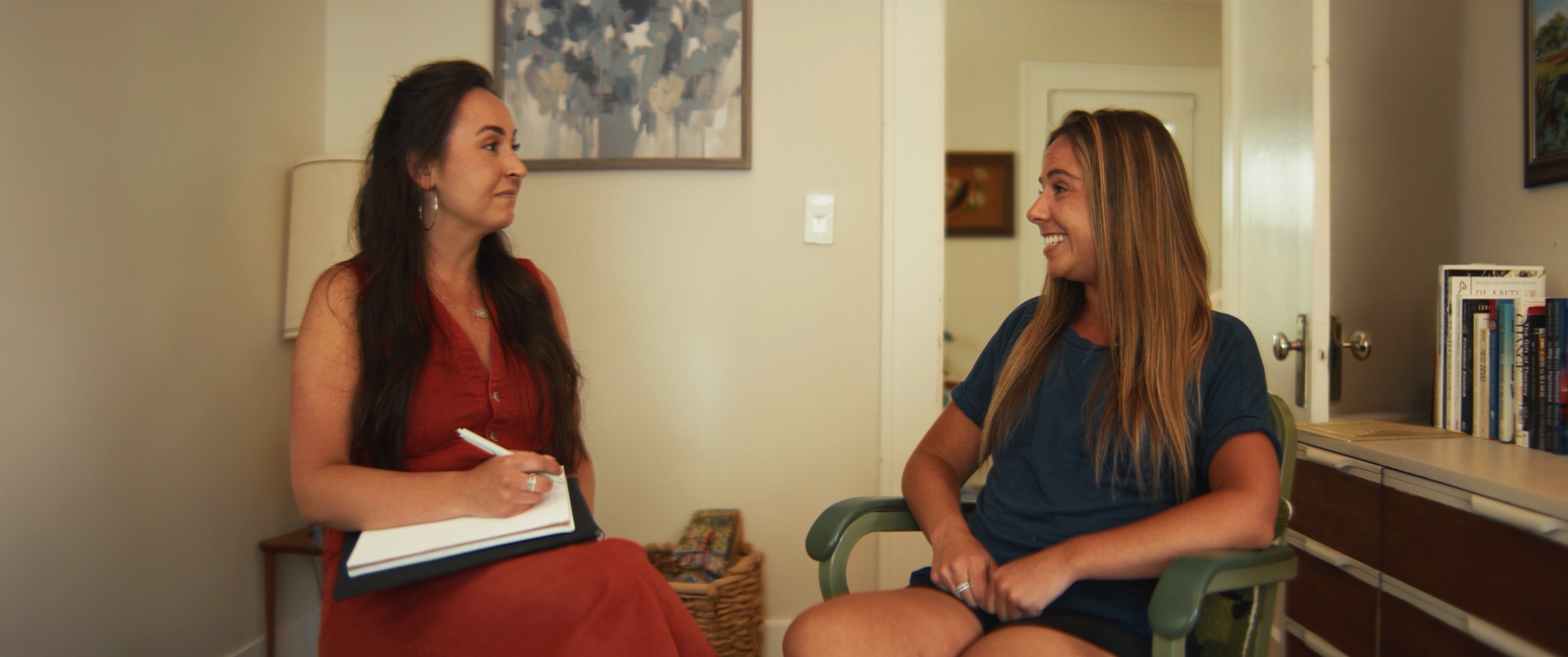
I have spent most of my life braced. If you had asked me a month ago what I was bracing against, I'm not sure I could have told you — it had been so long that the tension felt less like a feeling and more like a feature of who I am. I came to Oregon expecting, at most, a beautiful and meaningful week. I did not expect to meet a version of my own body I hadn't felt since I was a child.
It began long before any medicine. There were calls, a careful medical screening, forms, conversations — a thoroughness I first mistook for caution. I understand now that it was the opposite of caution. It was care. Every question was a quiet way of making sure that when I finally arrived, I could let go without keeping one eye on the door. By the time I sat down to set my intention with my facilitator, I realized I had already started to soften, and we hadn't even begun.
Every expectation I had has been exceeded. I don't believe the magic is in the mushrooms — it's in the people.
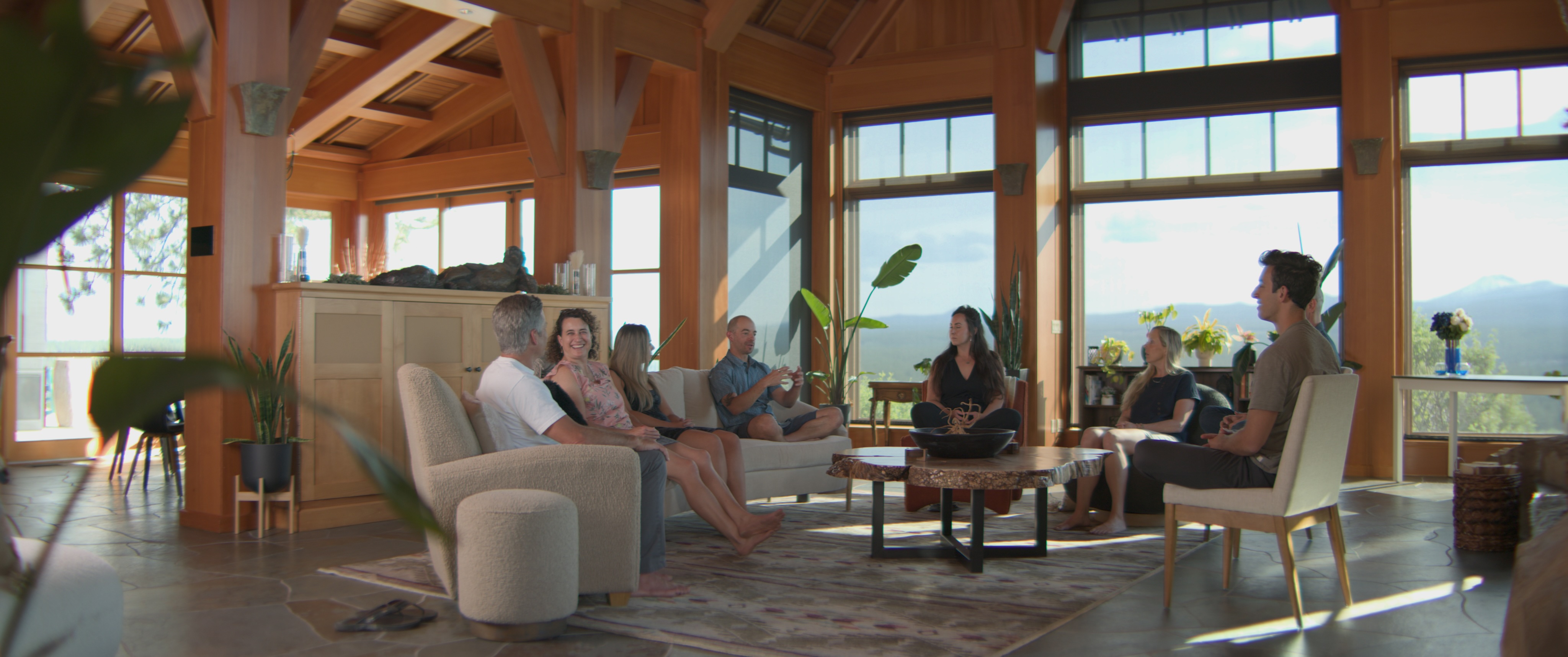
The house sits up above the pines, all timber and tall windows, the kind of place that seems to breathe on your behalf. I keep telling everyone about the food, and I can hear how strange that sounds — but it wasn't that it was fancy. It was that it was made for us, with attention, the way you cook for someone you love. Josh and the rest of the team moved through the days with a steadiness that turned out to be contagious. No one was performing calm. They simply were calm, and somehow that gave the rest of us permission to be.
There were strangers there who, by the end, did not feel like strangers at all. We had arrived as a collection of careful, guarded adults, and somewhere along the way we became something softer with one another. I have friendships now that were forged in a handful of days and somehow feel older than that.
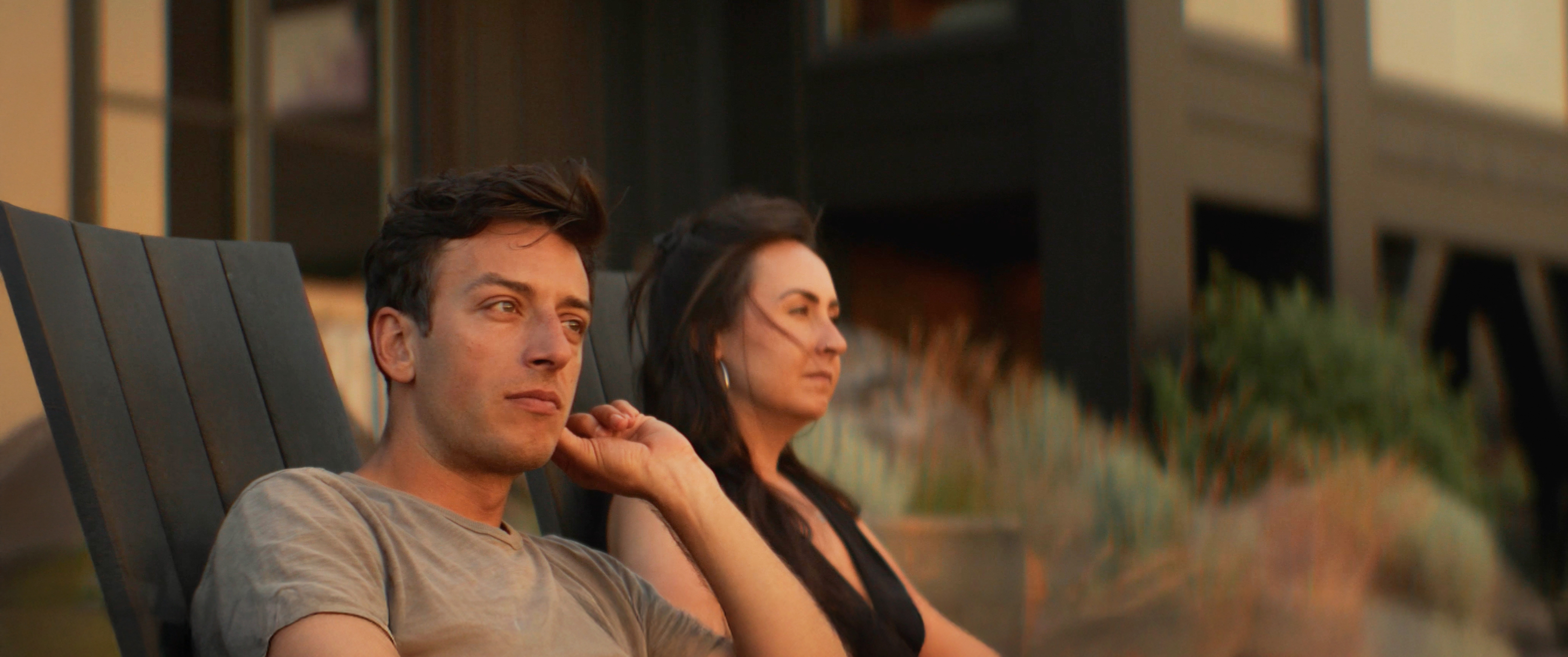
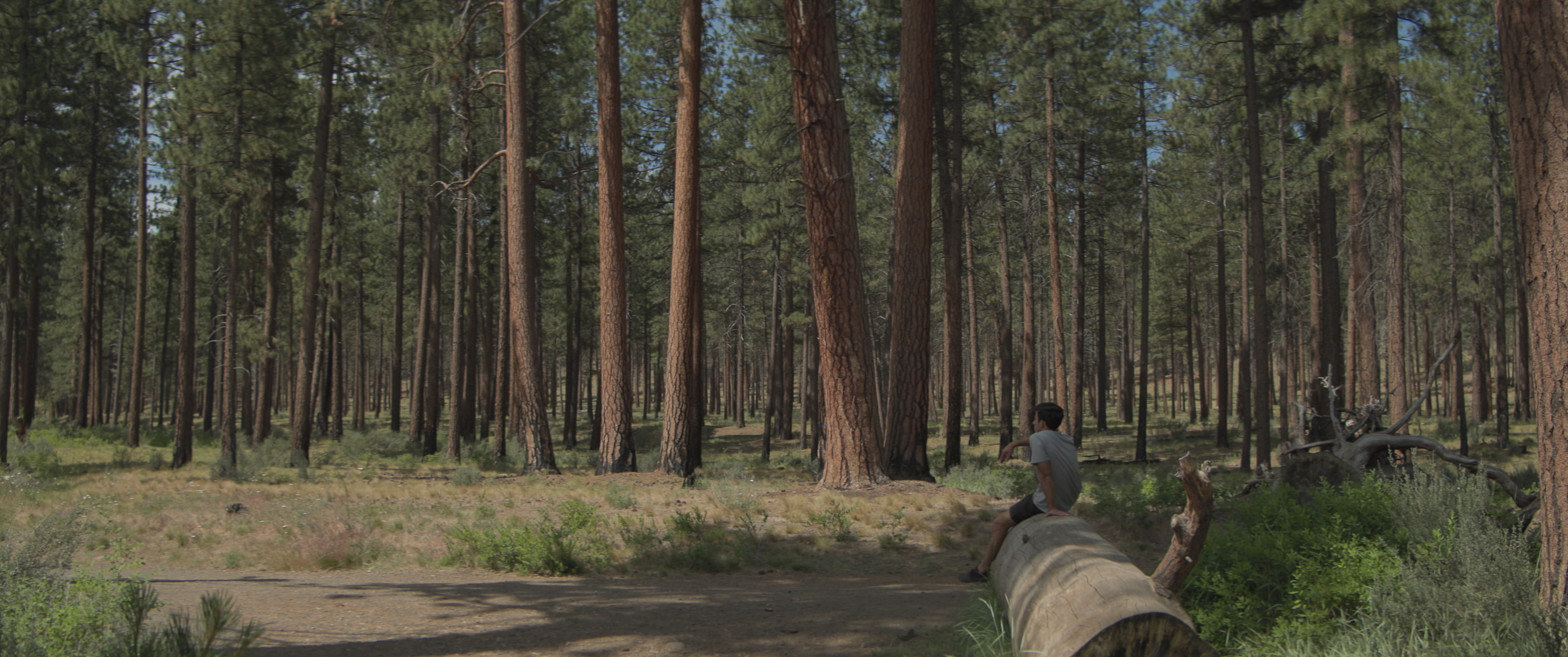
The days had a rhythm I didn't have to manage. Someone else held the schedule, the worry, the logistics, so that all I had to do was show up and be honest. I can't remember the last time so little was being asked of me and so much was being offered. Even the mornings felt different — slower, softer, as if the day were waiting on me instead of the other way around.
On the second morning I woke before anyone else and stood at the window for a long time, watching the light come up over the trees. I wasn't waiting for anything, or bracing for anything. I just let the day arrive. I cried a little, standing there, and for once it wasn't from sadness.
I have never experienced this level of contentment and care. Every element was so intentional.
I have been in plenty of rooms that called themselves safe. This was the first one where my nervous system actually agreed. I noticed it in small things at first — that I had stopped rehearsing sentences before I said them, that I wasn't scanning faces for the first sign of disappointment. And then, somewhere in there, the bracing I had carried for decades began, very quietly, to set itself down.
Some part of me kept looking for the catch — the moment it would turn out to have a cost. It never came. There was only a group of people who had decided, in advance and on purpose, that my comfort and my safety were worth their complete attention.
The day itself I'm going to keep mostly for myself — the way you keep a letter that was only ever meant for you. But I can tell you this much: I was never alone in it. My facilitator stayed beside me the entire time, and whatever rose up, and things did rise up, there was always a hand — literal and otherwise — already reaching back for mine. I had spent my whole life braced for the moment the floor would finally give way. Instead, for the first time I can remember, I trusted that someone would catch me. And someone did.
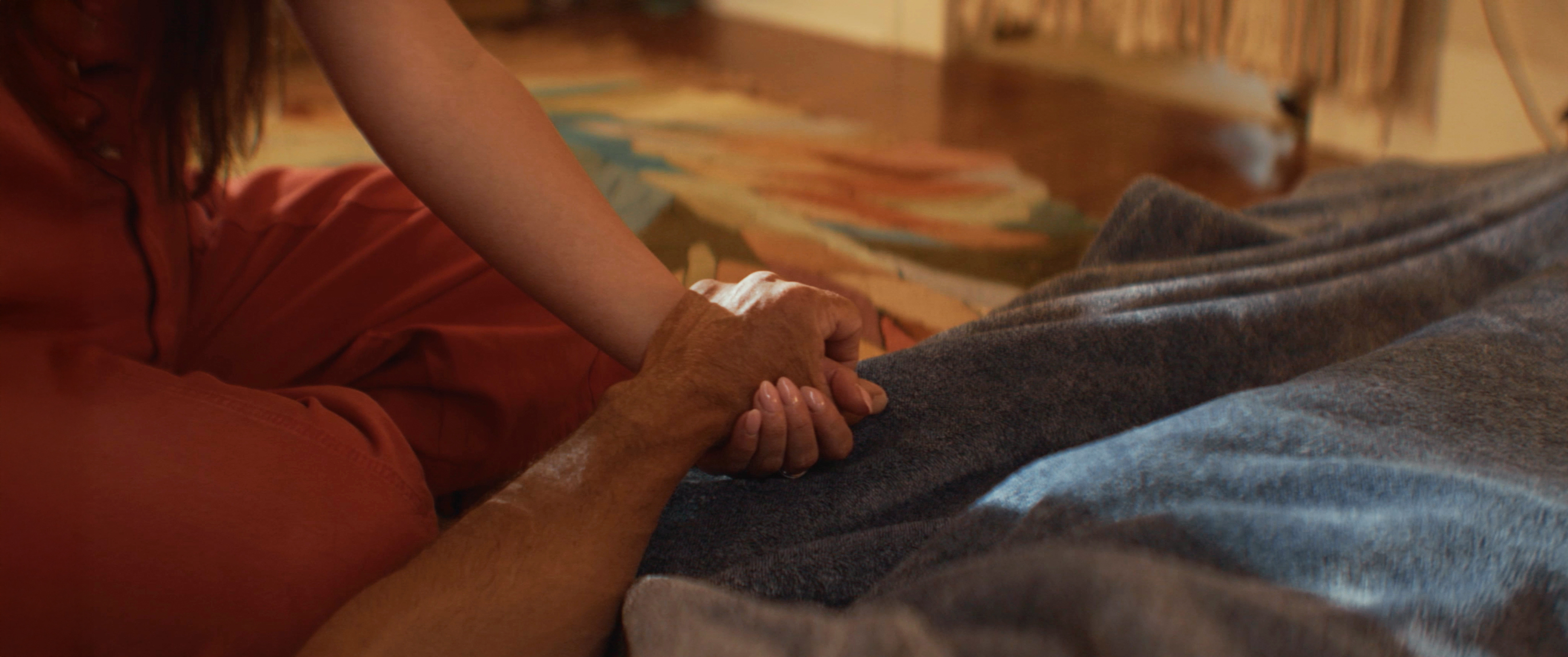
I don't have a tidy way to describe what happened in my body that week, except to say that it remembered something. Decades of holding — the shoulders, the jaw, the deep muscles you forget are even clenched — simply let go, like a fist I hadn't realized was a fist until it opened. I keep reaching for metaphors because the plain language feels too small for it. But the plainest version is also the truest: I felt safe in my own skin, maybe for the first time, and my body believed it.
My husband noticed before I said a word. He told me I was standing differently. I hadn't known that fear has a posture, or that I'd been holding mine so long that I had mistaken it for my spine.
The freedom my body feels — after decades of being braced and scared — has completely surrendered.
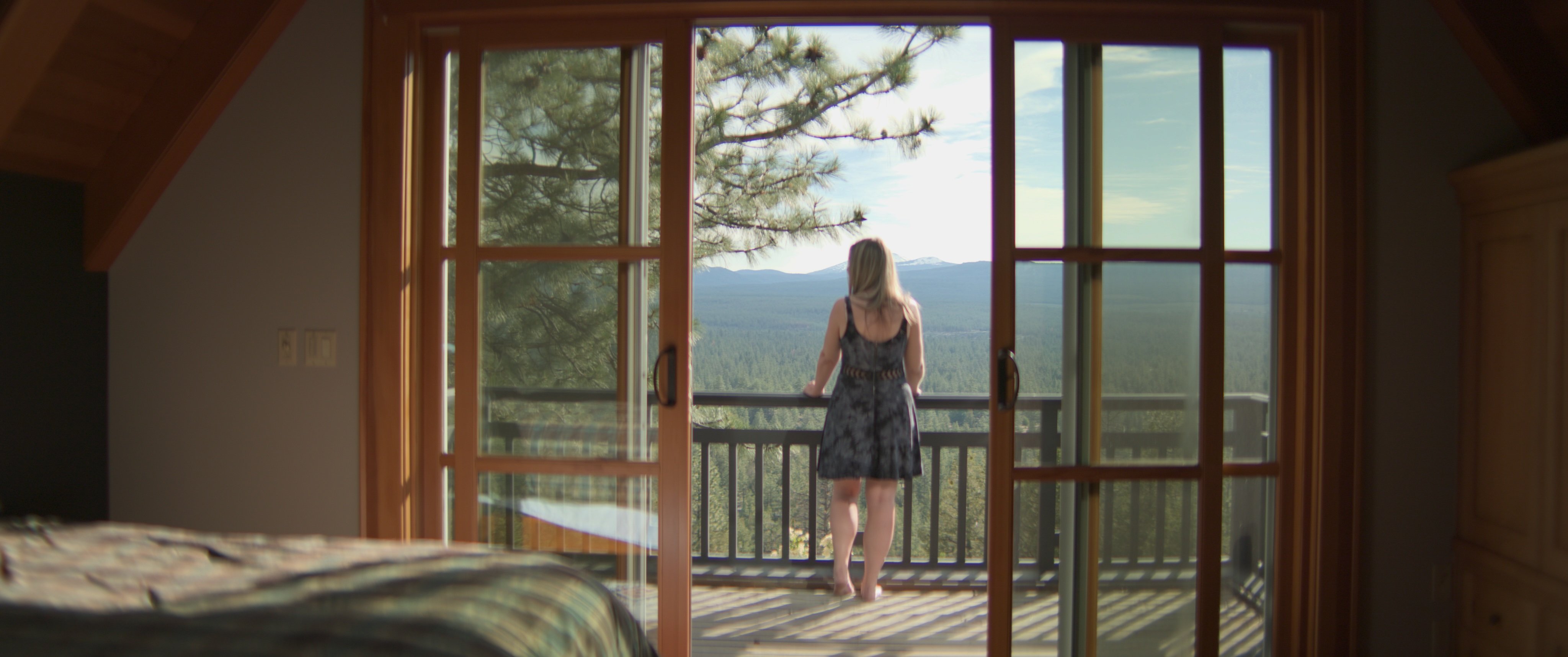
What surprised me most is that it didn't end when the week did. There is an entire architecture built for afterward — integration circles, people to call, a community that doesn't quietly disappear once the experience is over. The insight is not a souvenir you take home and set on a shelf. It is something you tend, on ordinary mornings, for a long time. I am still tending it, and I expect I will be for a while.
I keep thinking about how rare it is to be met that completely — to be screened with such care, fed with such intention, and then simply accompanied, without anyone needing me to be okay before I actually was. It quietly rearranged what I thought I was allowed to expect: from other people, and from myself.
I told my publisher that my second book was going to be about embodiment. I had theories. I had a thesis. I had, it turns out, very little idea. Now I think the book might just be about this week — about what it actually means to come home to yourself after a long time spent away. I came in guarded. I am leaving in awe. And I already know that I'll be back.
Stephanie
Words & photographs by Stephanie Hanrahan · @tinklesherpants